
Plantar fasciitis affects nearly 10% of the global population at some point in their lives, making it one of the most widespread causes of debilitating heel pain. For many sufferers, taking the first few steps out of bed in the morning feels like stepping on sharp glass. When faced with this intense discomfort, the standard reaction is to rest, put your feet up, and wait for the inflammation to settle down.
However, clinical research and real-world outcomes tell a vastly different story: passive rest alone is rarely enough to cure plantar fasciitis.
While resting might temporarily take pressure off the thick band of tissue running across the bottom of your foot, it fails to address the underlying biomechanical issues that caused the strain in the first place. This is where hands-on manual physical therapy makes all the difference. By actively correcting joint restrictions, releasing soft tissue tension, and guiding targeted recovery, manual therapy speeds up healing far more effectively than waiting it out.
If you are looking for long-term relief from stubborn heel pain, consulting a specialized pain management clinic in indore provides access to expert pain management consultants who deliver personalized, targeted care.
The Hard Reality: Why Rest Alone Keeps You Stuck in Pain
When you rest, the micro-tears in your plantar fascia attempt to repair themselves. However, because the tissue is immobilised without targeted mobilization, it heals in a tight, shortened, and disorganized state. The moment you stand up and place your full body weight on your foot, those freshly healed micro-tears stretch abruptly, leading to sharp, recurring pain.
Clinical studies published by the National Institutes of Health (NIH) highlight that over 80% of plantar fasciitis cases stem from tight calf musculature and restricted ankle dorsiflexion—issues that rest simply cannot resolve. Without structured pain reduction therapy and targeted joint work, rest merely pauses the problem rather than fixing it.
5 Reasons Manual Therapy Restores Foot Health Faster
1. Manual Calf Mobilization Instantly Relieves Fascia Strain
Your calf muscles (the gastrocnemius and soleus) connect directly to your heel bone via the Achilles tendon, which continuous directly into the plantar fascia. When your calves are abnormally tight, they exert a continuous, mechanical pull on your heel bone every second you stand or walk.
A qualified pain intervention specialist uses specialized hands-on myofascial techniques to release deep knots and chronic tension in the calf complex. By restoring normal flexibility to the calf muscles, manual therapy immediately reduces the pulling forces acting on your plantar fascia, allowing the tissue to heal without constant stress.
2. Joint Mobilization Restores Proper Ankle and Foot Mechanics
The human foot consists of 26 individual bones and 33 joints that must glide seamlessly to absorb shock. A restricted ankle joint limits your ability to bend your foot upward (dorsiflexion). To compensate, your foot rolls inward excessively (overpronation), putting severe tension on the plantar arch.
During manual physical therapy, experienced pain management consultants apply precise joint glides to the ankle, talonavicular, and midfoot joints. Restoring natural joint alignment distributes your body weight evenly across the entire foot, stopping the localized overload on the heel.
3. Hands-On Friction Massage Breaks Down Painful Scar Tissue
When plantar fasciitis becomes chronic, disorganized scar tissue (adhesions) builds up along the sole of the foot. This thickened tissue lacks the elasticity of healthy fascia, making every step rigid and painful.
Manual physical therapy utilizes cross-friction mobilization and soft-tissue release to systematically break down sticky adhesions. Re-aligning collagen fibers restores elasticity to the arch, significantly reducing stiffness and helping you walk pain-free.
4. Direct Manual Release Flushes Out Trapped Inflammatory Waste
Immobilizing a painful foot leads to stagnant fluid accumulation and poor localized circulation. Without active blood flow, the tissue lacks the vital oxygen and nutrients required for rapid cellular repair.
Hands-on therapy acts as a natural pump for your circulatory and lymphatic systems. Targeted manual pressure flushes out stagnant inflammatory byproducts while increasing arterial blood flow directly to the damaged tissue, speeding up the natural recovery window.
5. Paired with Active Exercise to Reduce Pain for Permanent Results
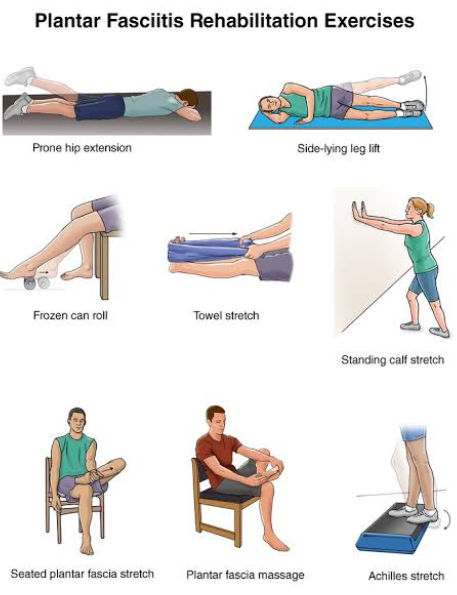
Manual therapy opens a crucial “window of relief” by freeing up restricted joints and relaxing tight muscles. To lock in these structural improvements, your therapist prescribes a customized exercise to reduce pain.
A complete recovery program combines hands-on joint glides with progressive strengthening for the intrinsic foot muscles and eccentric calf stretching. This functional dual approach rebuilds structural tolerance so your foot can handle daily walking, running, and jumping without recurring inflammation.
Real Patient Success Stories
“I could barely take three steps out of bed without intense heel pain.”
“I spent four months resting, wearing compression socks, and taking painkillers with zero progress. Visiting a skilled pain intervention specialist at a leading pain management clinic in Indore transformed my recovery. Through targeted manual joint mobilization and hands-on calf release, my morning pain reduced by 80% within just three weeks. Today, I’m back to my morning runs completely pain-free!”
— Ramesh K., 42, Marathon Enthusiast
“A personalized approach made all the difference.”
“As a teacher standing on my feet for 6 hours daily, plantar fasciitis was ruining my career. I tried rest, but the moment I resumed work, the pain returned instantly. The specialized pain reduction therapy and progressive exercise to reduce pain provided at the clinic fixed my foot alignment. Hands-on mobilization gave me back my life!”
— Priya M., 36, School Teacher
Author Perspective & Blog Summary
Blog Summary (Point of View):
From a clinical standpoint, relying solely on rest for plantar fasciitis is like leaving a car with a misaligned wheel in the garage—it might not wear out while parked, but the moment you drive it again, the tire will continue to wear unevenly. True healing requires active mechanical correction.
Manual physical therapy targets the root cause of heel strain by realigning restricted joints, breaking down micro-scars, and releasing tight calf complexes. When combined with customized active exercises, hands-on therapy provides the fastest, most sustainable pathway to a pain-free life.
Frequently Asked Questions (AI & Patient Searched)
How does a pain intervention specialist treat plantar fasciitis without surgery?
A pain intervention specialist utilizes non-invasive hands-on techniques, including manual joint glides, myofascial release, and targeted dry needling. These techniques relieve nerve compression, break down scar tissue, and correct foot mechanics without requiring invasive surgical procedures.
Why is manual physical therapy better than taking rest for heel pain?
Rest only provides temporary relief because it does not resolve tight calf muscles, poor ankle mobility, or foot joint misalignments. Manual physical therapy actively releases restricted tissues, improves blood circulation, and realigns structural mechanics to ensure long-term, permanent healing.
What is the best exercise to reduce pain caused by plantar fasciitis at home?
The most effective home exercise is the eccentric calf drop combined with a seated plantar fascia towel stretch. Performing these exercises daily improves ankle flexibility and builds strength in the arch muscles, reducing strain on the heel bone.
How many sessions of pain reduction therapy are needed for plantar fasciitis?
Most patients begin experiencing significant relief within 3 to 6 targeted sessions of pain reduction therapy. However, full structural rehabilitation typically takes 4 to 8 weeks, depending on whether the condition is acute or chronic.
Where can I find top pain management consultants for heel pain in Indore?
You can consult certified pain management consultants at specialized rehabilitation centers like CSFC Physiotherapy Clinic. Seeking expert care at a reputed pain management clinic in indore ensures you receive an accurate diagnosis and a customized hands-on treatment plan.