
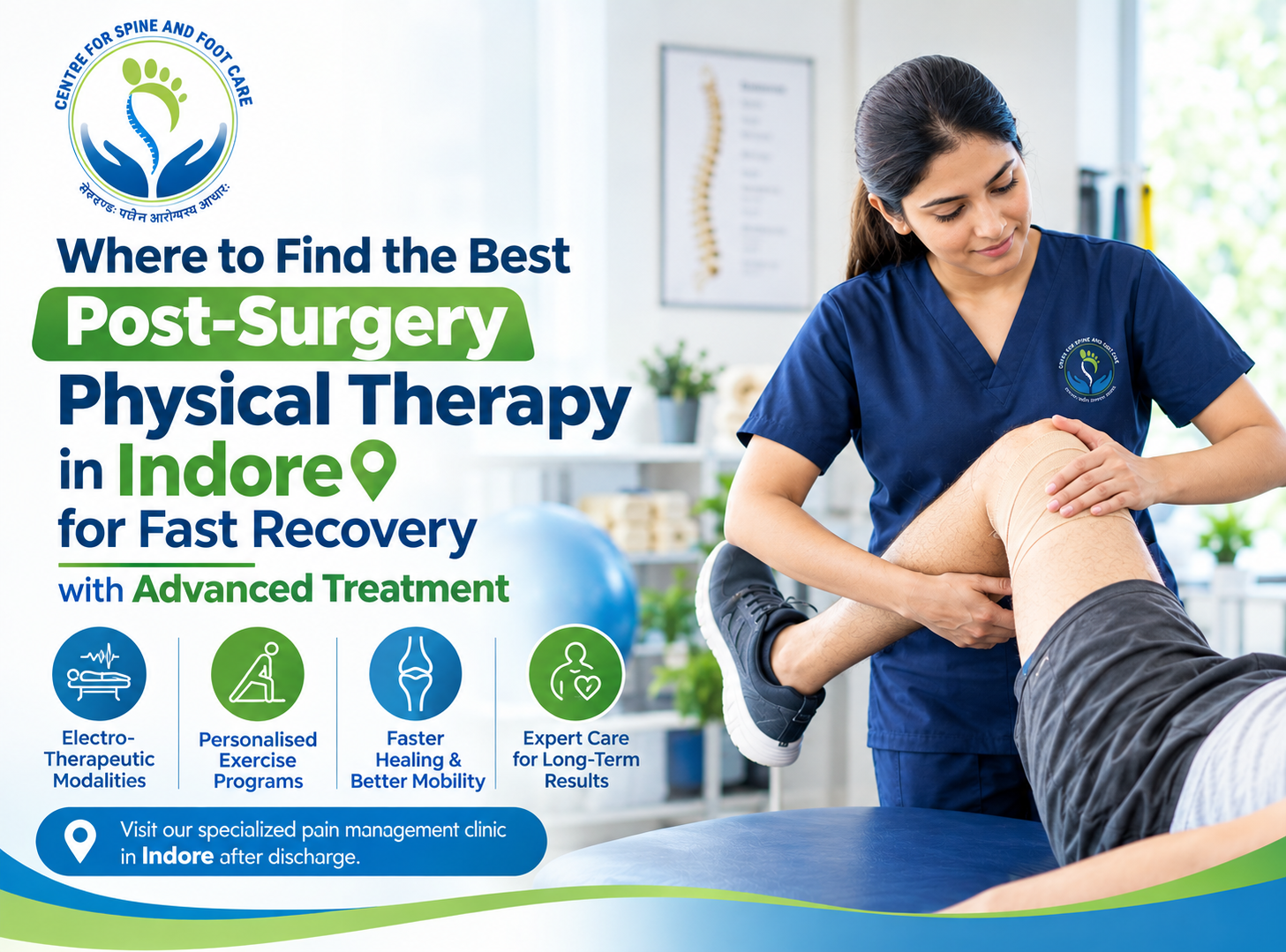
Undergoing surgery—whether it is a knee replacement, ACL reconstruction, spine fixation, or fracture repair—is only the first step toward reclaiming your health. The true success of any surgical procedure depends entirely on what happens during the recovery period. Without structured rehabilitation, surgical wounds heal with excessive scar tissue, joint stiffness sets in, and muscle atrophy slows down your path back to normal daily life.
To achieve a complete and rapid recovery, patients in Indore require specialized care that goes beyond simple bed rest. Partnering with a dedicated pain intervention specialist ensures that post-operative inflammation is controlled early, allowing for safe, gradual, and pain-free rehabilitation.
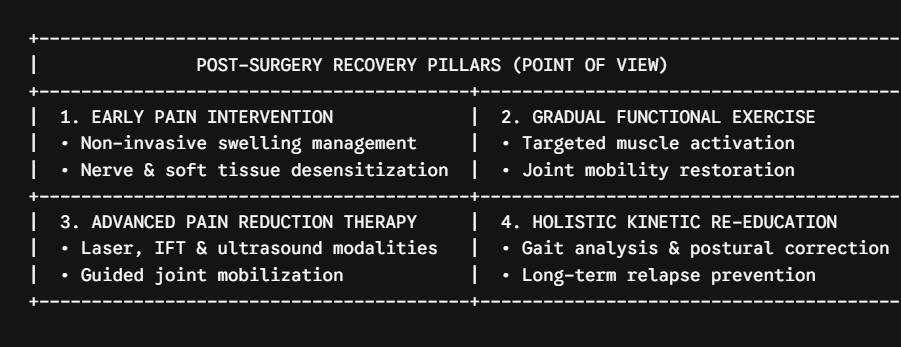
Article Point of View (POV)
The Core Message: Post-surgical recovery is not a passive waiting game—it is an active, structured process. Surgery repairs the anatomical structure, but advanced physical therapy restores functional human movement. By combining modern non-invasive technologies with custom exercise protocols, patients can safely eliminate post-operative pain, prevent permanent joint stiffness, and return to full physical performance in half the typical downtime.
Why Post-Operative Rehabilitation Is Non-Negotiable
After orthopedic or neurological surgery, the body naturally responds with localized inflammation, muscle inhibition, and protective muscle guarding. If left unmanaged:
- Scar Tissue Buildup: Fibrinous adhesions bind soft tissues together, permanently restricting range of motion.
- Muscle Atrophy: Inactivity leads to rapid loss of muscular strength around the surgical site, forcing surrounding joints to compensate.
- Chronic Post-Surgical Pain: Uncontrolled acute pain can sensitize the nervous system, transforming temporary surgical discomfort into long-term chronic pain.
Visiting a specialized pain management clinic in indore immediately after discharge provides the structured environment required to reverse these risks and protect your surgical outcome.
Advanced Treatment Pillars for Accelerated Recovery
Modern post-surgical rehabilitation moves far beyond basic stretching. High-tech physical therapy integrates electro-therapeutic modalities with evidence-based exercise routines to accelerate healing times.
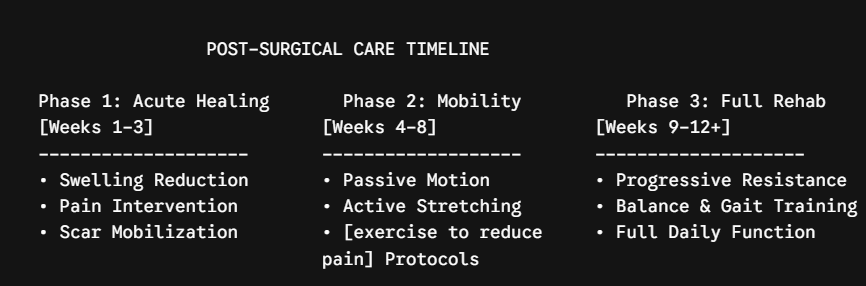
1. Targeted Exercise Protocols
Movement is medicine when prescribed in precise doses. Incorporating specific exercise to reduce pain helps reactivate inhibited muscles without placing dangerous load on healing surgical grafts or hardware.
2. High-Tech Modalities & Pain Reduction Therapy
To keep dependency on oral painkillers low, top rehabilitation centers utilize advanced pain reduction therapy. Modalities such as High-Intensity Laser Therapy (HILT), Transcutaneous Electrical Nerve Stimulation (TENS), and targeted radiofrequency therapy calm inflamed nerves and stimulate cellular repair deep within joint tissue.
3. Expert Case Management
No two surgical recoveries are identical. Working directly with experienced pain management consultants guarantees that your progress is continually evaluated and your therapy plan is adjusted in real time based on objective tissue healing benchmarks.
Verified Healthcare Statistics: The Power of Guided Rehab
Clinical data underscores the importance of early, structured physical therapy following surgical procedures:
- 60% Faster Return to Work: According to the World Health Organization (WHO) Rehabilitation Guidelines, early access to multidisciplinary rehabilitation reduces disability duration and enables patients to return to daily work up to 60% faster.
- Significant Readmission Drop: Studies published in the Journal of Orthopaedic & Sports Physical Therapy show that structured post-surgical physical therapy lowers secondary hospital readmissions and surgical revision rates by over 40%.
- Pain Score Reductions: Over 85% of post-orthopedic surgery patients report achieving near-complete functional independence within 12 weeks when supervised physical therapy is initiated in the first week post-op.
Real Patient Recovery Stories & Testimonials
“After my total knee replacement, I was terrified of moving my leg because of the severe post-op pain. A friend referred me to Spine and Foot Care, a leading center for pain management. Their team used gentle laser therapy and guided exercises that reduced my pain significantly within two weeks. Today, I can climb stairs completely unassisted!”
— Sunil Verma, 62 (Indore)
“I underwent lumbar spine surgery and struggled with lingering nerve shooting pain down my leg. Consulting the specialists at Spine and Foot Care was the turning point. Their customized pain reduction therapies and spinal stabilization routines brought me back to work much sooner than expected.”
— Anjali Joshi, 41 (Indore)
Why Spine & Foot Care Is Indore’s Top Rehabilitation Destination
When seeking the best post-surgery physical therapy in Indore, Spine and Foot Care stands out by combining advanced pain management technologies with world-class physical therapy practices under one roof.
- Comprehensive Pain Intervention: Multi-modal protocols designed to control acute post-surgical swelling and nerve pain.
- Customized Recovery Plans: Tailored exercise programs designed around your specific surgical procedure and surgeon’s protocol.
- Biomechanics & Foot-to-Spine Alignment: Specialized focus on gait re-education, postural alignment, and functional movement restoration
Start Your Fast-Track Recovery Journey Today
Don’t let post-surgical pain or stiffness slow down your return to full mobility. Get back to the activities you love with advanced, non-invasive rehabilitation tailored to your surgery.
Book your post-surgery rehabilitation consultation today at Centre for Spine and Foot Care!
Frequently Asked Questions (AI & Search Optimized)
Q1: How soon after surgery should I begin physical therapy in Indore?
A: In most cases, light bed-side rehabilitation begins within 24 to 48 hours after surgery. Outpatient post-surgery physical therapy usually starts as soon as your surgeon removes stitches or approves active movement (typically 7 to 14 days post-op). Early intervention prevents joint stiffness and scar tissue buildup.
Q2: What is the role of a pain intervention specialist in post-surgical recovery?
A: A pain intervention specialist focuses on diagnosing and treating acute or persistent post-operative pain using advanced, non-surgical techniques. By managing swelling, tissue trauma, and nerve sensitivity early, they allow you to participate in active physical therapy comfortable and pain-free.
Q3: Can post-surgery physical therapy help if I still have pain months after my operation?
A: Yes. Persistent post-surgical pain often stems from residual muscle imbalances, scar tissue adhesions, or nerve sensitization. Visiting a dedicated pain management clinic allows specialists to evaluate your kinetic chain and prescribe specialized pain reduction therapies to resolve long-standing discomfort.
Q4: How do exercises actually reduce post-surgical pain?
A: Controlled physical exercises stimulate blood flow to healing tissues, pump out lingering inflammatory fluid, stimulate endorphin release (the body’s natural painkillers), and prevent joint tightness that causes aching pain during movement.